
Dental Implants
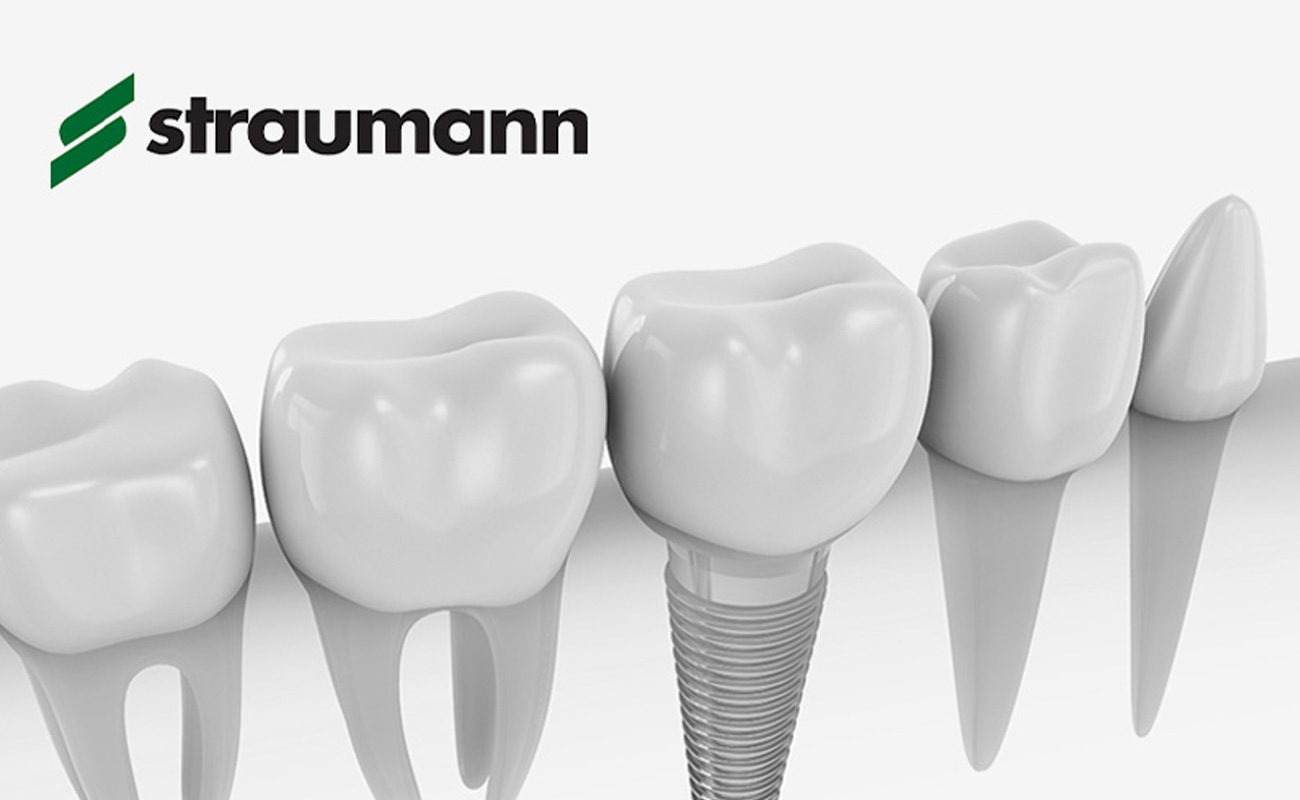
A dental implant is one of the treatment options to replace a missing tooth or teeth once the gum condition has been stabilized.
Dental implant surgery is a procedure that:
• Replaces tooth roots with titanium, screw-like posts
• Supports artificial teeth that look and function very much like natural teeth
Dental implants are surgically placed into the jawbone to help restore a person’s ability to chew, speak, and smile confidently.
At ProDental Specialists Group, we are equipped with a low radiation dosage 3D CT scan (CBCT) that allows our specialists to carefully plan each patient’s treatment from diagnosis and surgical planning to post-surgery management.
Types of Implant Service
Single Tooth Implant
is a reliable and natural-looking solution for replacing one missing tooth. The implant is securely placed into the jawbone, acting as an artificial tooth root, and is topped with a custom-made crown that blends seamlessly with your natural smile.
This treatment helps restore comfortable chewing and clear speech, while preserving the health of the surrounding teeth and jawbone since neighbouring teeth do not need to be altered.
With proper care and regular dental check-ups, a single tooth implant can provide a long-lasting and confident smile solution.
Single Tooth Implant
All-on-X Implant
All-on-X Implants
are an advanced dental implant solution designed to replace a full arch of missing teeth using 4 to 6 strategically placed implants.
Unlike traditional dentures that sit on the gums and may slip, shift, or cause discomfort, All-on-X implants are anchored directly into the jawbone, creating a secure and stable foundation for a full set of natural-looking replacement teeth.
The “X” in All-on-X refers to the customisable number of implants used, typically between four and six, depending on each patient’s bone condition, oral health, and functional needs.
This treatment helps restore strong chewing function, improves speech, and allows patients to smile with greater confidence.
Benefits of Dental Implants

Better Chewing and Improve Speech
Dental implants allow you to eat confidently without avoiding crunchy or chewy foods, as they are securely anchored in the jawbone. They also help improve speech by preventing the movement or looseness often experienced with traditional dentures.

Preserves Jawbone and Facial Shape
When a tooth is missing, the jawbone in that area can gradually shrink over time. Dental implants act like natural tooth roots, stimulating the jawbone and helping to maintain bone strength and facial structure, while reducing the risk of bone shrinkage.
This support also helps prevent premature facial sagging, preserving a more natural appearance.

Boost Self-Esteem and Smile with Confidence
A secure, natural-looking smile can help improve self-esteem and allow patients to speak, laugh, and interact with others confidently in everyday life.
Dental Implant Procedures and Flow
01
Book an Appointment for Consultation
Assessment and discussion with our dental specialist on the treatment plan. Oral scans and X-rays (CBCT) assist to provide a more accurate assessment. Our dental specialist will discuss your treatment plan based on your current dental condition.
02
Implant Placement Surgery
The dental implant is placed into your jawbone based on detailed planning using oral scans and 3D X-rays to ensure accurate positioning. The implant will gradually bond with the surrounding bone. This usually takes around three months, depending on each individual case.
03
Implant Crown Placement
Once the healing phase is over, implant crown impression is taken and sent to the dental lab for fabrication. The final custom-made crown is then securely attached to the implant, restoring the appearance and function of your natural tooth.
04
Aftercare
Oral hygiene as usual and regular check-ups at the dentist in order to maintain long term function of your new teeth.
FAQs about Dental Implants
The patient's jawbone might begin to shrink, adjacent teeth may shift out of place, and chewing or speaking can become more difficult. In addition, the gaps from the missing teeth can raise the risk of gum disease, and affect facial appearance as well.
Should you have any enquiries, please do not hesitate to book a consultation with our specialists. 😊
Contact Us
Fill in the form below if you’re a referring doctor or you would like to make an appointment